Home / Politics / Nitin Nabin Credits Jana Sangh for Goa, Bengal Stand, Urges Workers to Match Resolve
Politics Nitin Nabin Credits Jana Sangh for Goa, Bengal Stand, Urges Workers to Match Resolve
The BJP national president told a Delhi gathering that today's cadre has it easy compared with the Jana Sangh founders, who had no office, no vehicles and no money for receipt books.
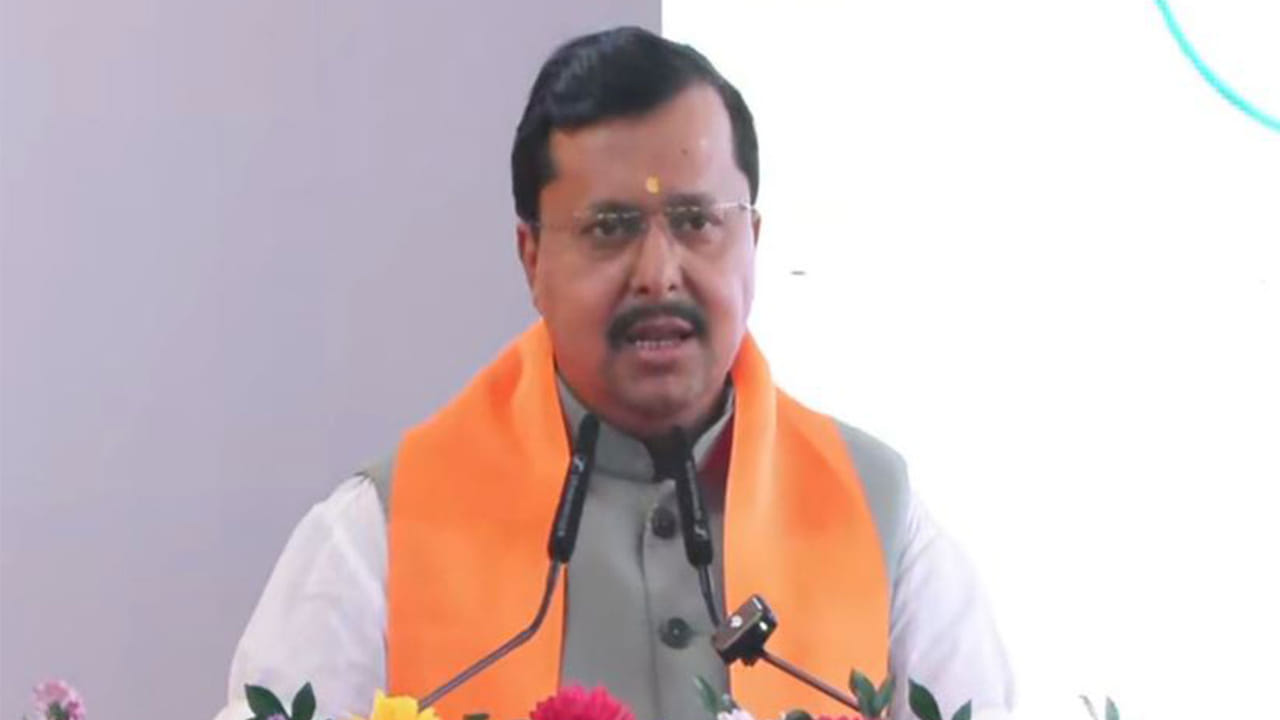
BJP National President Nitin Nabin used a Wednesday address in Delhi to pay tribute to the Bharatiya Jana Sangh. He credited its members with carrying forward Syama Prasad Mukherjee's 'Ek Bharat, Shreshtha Bharat' idea after the founder's death, and asked today's party workers to show the same determination.
Nabin pointed to two episodes. One was Goa's integration into India in 1961. The other was West Bengal, where, in his telling, there were plans to merge Hindu-majority areas with what was then East Pakistan, now Bangladesh. In both cases, he said, it was Jana Sangh members who stood in opposition. These are Nabin's characterisations of events, offered from a party podium.
The more human part of the speech was about how little the party started with. Nabin said that when the organisation was founded on October 21, 1951, it had no money to print receipts, no office and no transport. What it did have, he said, was one stubborn idea: take the organisation and its ideology to every single person.
That was the setup for a gentle nudge to the present-day cadre. Nabin said his generation of workers operates in far more favourable conditions and should use them to strengthen the party. It is a familiar line from any leader addressing a movement that has outgrown its shoestring days. It lands differently when the speaker heads the party in power.
He also singled out the Delhi unit's campaign slogan, 'Jan Sangh se Jan-Jan ki Yatra', which he translated as a journey from the Jan Sangh to the people, and said he commended it. He tied the party's mission to Prime Minister Narendra Modi's call to connect every individual with the nation's development journey, and to the larger goal of making India a 'Vishwa Guru'.
He framed independence as the start of the project rather than the finish. Lakhs sacrificed for freedom, he said, but the vision went further: a democracy that cares for everyone, development that reaches the last person, and a nation proud of its cultural roots. The takeaway for party workers was that the founders' hardship should be matched by effort now that the resources are there.
Read the original report at Asianet Newsable.